ROI, joka vakuutti kaikki

31. maaliskuuta 2026
Miksi teknologiainvestointien laskelmat ovat lähes aina väärässä
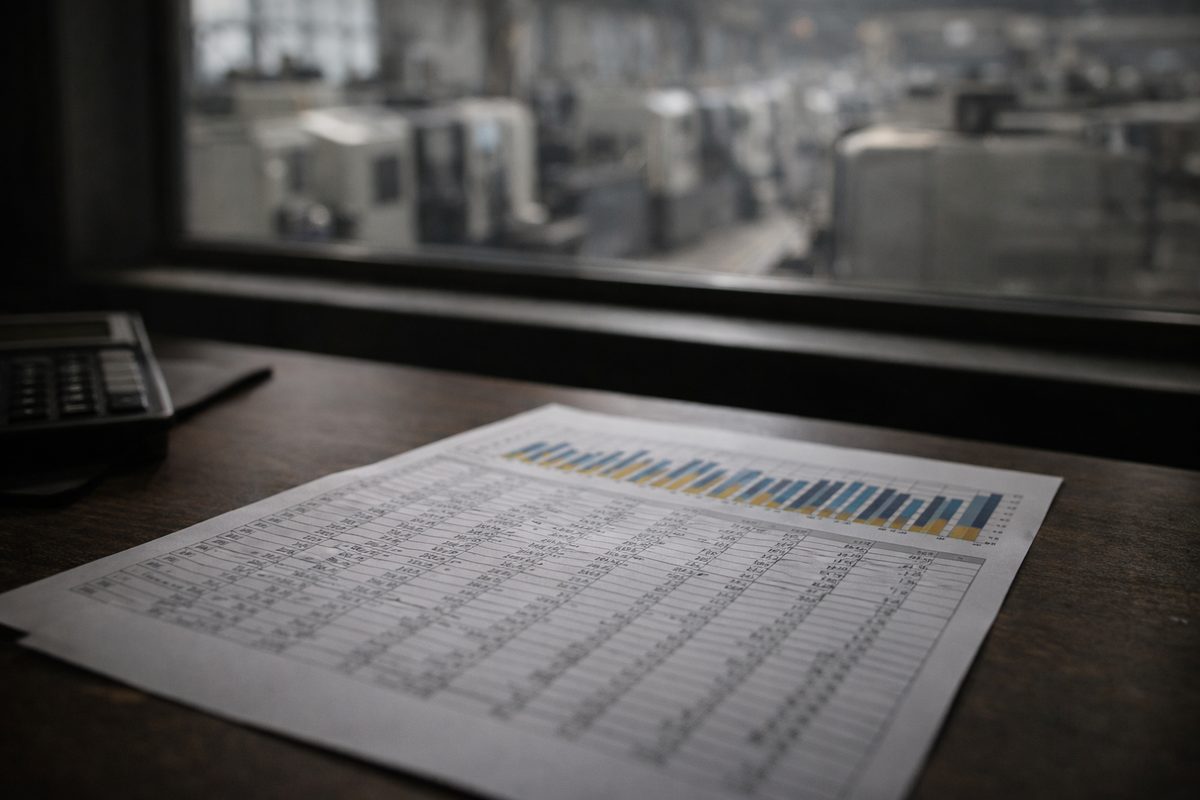
ROI-laskelma on jokaisen laitehankinnan perustelujen ydin. Työvoimasäästöt, laadun paraneminen ja läpimenon kasvu muutetaan euroiksi, ennustetaan vuosien päähän ja verrataan investointiin. Luku näyttää hyvältä. Luku näyttää aina hyvältä, koska jos se ei näyttäisi, kukaan ei olisi esittelemässä sitä.
Kyse ei ole vilpistä. Kyse on rakenteellisesta optimismista, joka on sisäänrakennettu tapaan, jolla nämä laskelmat syntyvät. Jokainen oletus kallistuu hankkeen puolelle. Jokainen epävarmuus ratkeaa hankkeen eduksi. Lopputulos on dokumentti, jonka tehtävä on hankkia hyväksyntä, ei ennustaa tulevaa.
Aloitetaan työvoimasäästöistä. Laskelma olettaa, että poistuva työ todella poistuu: henkilömäärä pienenee tai vapautuva aika siirtyy tuottavaan työhön. Käytännössä automaatio harvoin vähentää henkilöstöä. Se siirtää työtä. Operaattori, joka ennen teki tehtävän käsin, valvoo nyt järjestelmää, hoitaa poikkeukset ja selvittää ne tilanteet, joista automaatio ei selviä. Eri työ, sama ihminen, sama kustannus.
Laatuparannukset olettavat, että virheillä on mitattava kustannus ja että se katoaa automaation myötä. Mutta virhekustannukset ovat usein arvioita, eivät mittauksia. Asiakkaalle asti päätyvän virheen hinta on todellinen mutta harvinainen. Sisäisesti kiinni jäävän virheen hinta on enimmäkseen työtä, ja työstä puhuttiin jo. Laadun paraneminen voi olla aitoa samalla, kun kustannussäästöt ovat kuvitteellisia.
Läpimenon kasvu olettaa, että kaikki valmistettu saadaan myytyä. Lisäkapasiteetti on arvokasta vain, jos kysyntä ylittää nykyisen kapasiteetin. Monessa tehtaassa rajoite ei ole tuotantonopeus vaan tilaukset, logistiikka tai markkinan koko. Nopeampi laite, joka valmistaa varastoon jäävää tuotetta, ei ole taloudellinen parannus. Se on käyttöpääomaa sidottuna tavaraan, joka ei ole lähtenyt mihinkään.
Laskelman aikajänne on erityisen luova. ROI-ennusteet ulottuvat kolmen tai viiden vuoden päähän, joskus pidemmällekin. Mutta ennusteiden taustaoletukset, kuten tuotevalikoima, palkkataso, tuotantomäärät ja energian hinta, muuttuvat jatkuvasti. Laskelma, joka lupaa takaisinmaksun 2,3 vuodessa, olettaa 2,3 vuotta vakaita olosuhteita. Milloin viimeksi tuotantonne oli vakaa 2,3 vuotta putkeen?
Sitten on se, mitä laskelma jättää pois. Integraatiokustannukset aliarvioidaan tai ohitetaan. Koulutus näkyy kertaluonteisena rivinä, vaikka se on jatkuvaa. Huolto saa summan, joka on poimittu toimialan keskiarvoista eikä kyseisen toimittajan todellisuudesta. Laskelma tavoittaa näkyvät kustannukset ja ohittaa ne, jotka tulevat näkyviin vasta asennuksen jälkeen.
Laskelma ei ole hyödytön. Se pakottaa jäsenneltyyn keskusteluun kustannuksista ja hyödyistä, ja se on arvokasta. Ongelma on kohdella lopputulosta ennusteena, kun se on argumentti. Se on puheenvuoro hankkeen puolesta, ei ennuste. Viivan alle jäävä luku vastaa kysymykseen ”millä oletuksilla tämä hanke näyttää hyvältä”, ei kysymykseen ”mitä oikeasti tapahtuu”.
Yritykset, jotka tekevät parempia teknologiapäätöksiä, rakentavat laskelmansa niin, että epävarmuus näkyy. Ei yhtä ROI-lukua vaan haarukka. Ei parhaan tapauksen oletuksia vaan jakauma mahdollisista lopputuloksista. Mikä on ROI, jos työvoimasäästöt ovat puolet ennustetusta? Entä jos läpimenon kasvu ei muutu liikevaihdoksi? Entä jos huolto maksaa puolet arvioitua enemmän? Jos hanke on järkevä vielä pessimistisessäkin skenaariossa, se saattaa oikeasti olla tekemisen arvoinen.
Lukua, joka vakuutti kaikki, ei koskaan tarkoitettu ennustamaan tulevaisuutta. Sen tarkoitus oli saada hyväksyntä. Ne ovat eri tarkoituksia, ja niiden sekoittaminen on tapa päätyä laitteeseen, joka toimi täsmälleen laskelman mukaan eikä silti maksanut itseään takaisin.